How to Get Rid of Ticks in Your Yard on Long Island: The 7 Steps That Actually Lower the Count
By the Bobby Bugs Team, Licensed New York State Pest Control Applicators, Serving Nassau, Suffolk, Queens & The Bronx
11 min read
Key takeaways
- 82 percent of deer ticks on a lawn are found within 9 feet of the edge, especially where the lawn meets woods, stone walls, or shrub beds. The sunny middle of the lawn has very few. Put the effort where the ticks are.
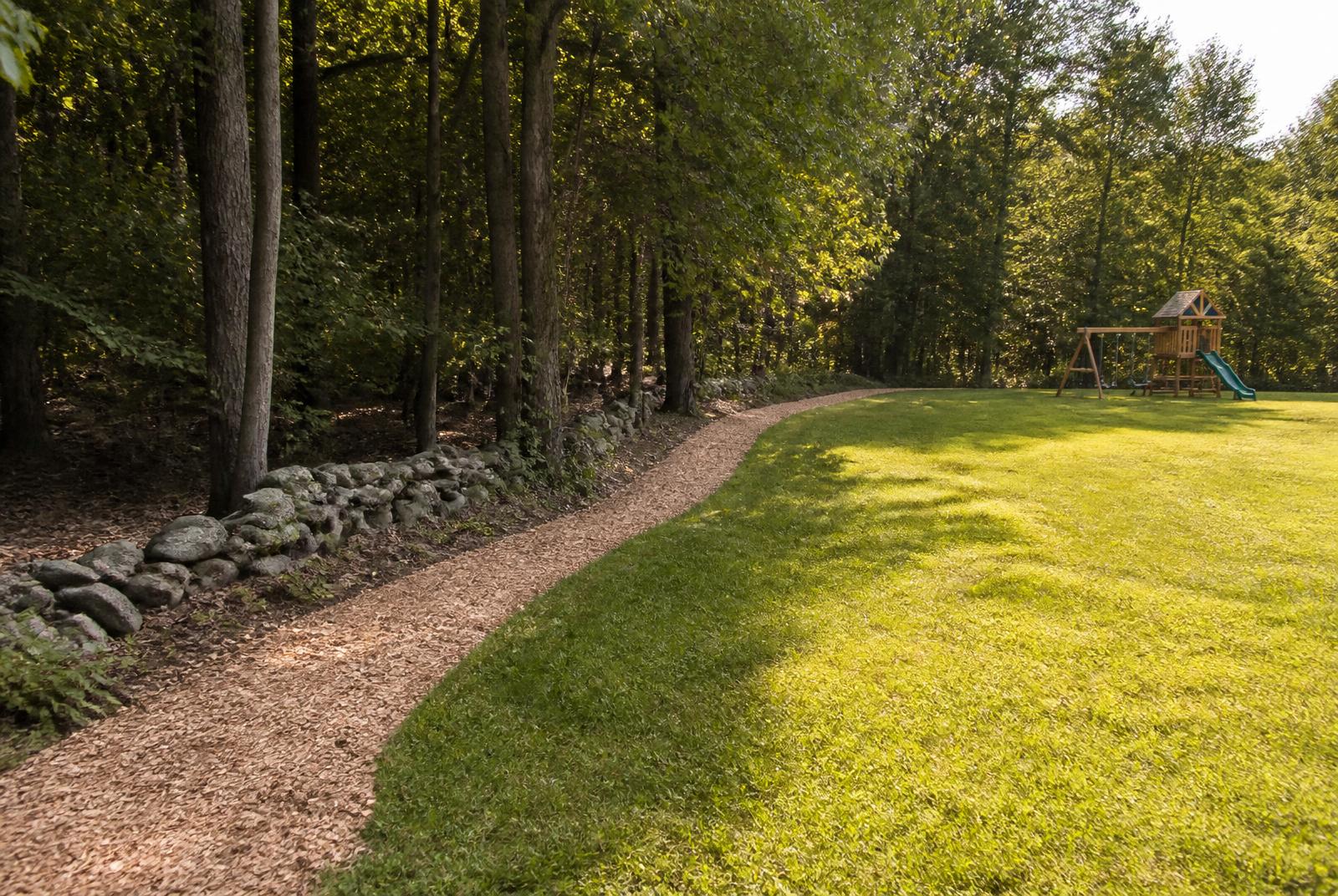
- A 3 foot wide band of wood chips or gravel between the lawn and any woods is the CDC's recommended barrier. It keeps ticks from wandering in and, just as important, keeps kids and pets from wandering out into the leaf litter.
- Professional perimeter treatment typically cuts ticks 80 to 90 percent inside the treated zone. It works, and it wears off in roughly 4 to 6 weeks, which is why the timing of each visit matters more than the number of visits.
- The two treatments that matter most on Long Island are late April to early May for nymphal deer ticks, the poppy seed sized stage that causes most Lyme cases, and mid to late August for adults. A three visit spring, summer, and early fall program covers the season.
- Long Island yards carry four ticks that bite people: the blacklegged deer tick, the lone star tick, the American dog tick, and since 2018 in Suffolk, the invasive Asian longhorned tick. Lone star tick bites are the ones linked to the alpha gal red meat allergy.
- Suffolk County led New York State in Lyme disease in 2024 with more than 3,000 cases, and the state health commissioner said in September 2026 that the ticks are winning. Adult deer ticks stay active in fall and on any winter day above 40 degrees, so the season does not end at Labor Day.
- A deer tick generally has to be attached 36 to 48 hours before it can transmit Lyme disease, so a nightly tick check on people and dogs is the cheapest control there is.
How do you get rid of ticks in your yard on Long Island? The 7-step plan
Getting rid of ticks in a Long Island yard means clearing the edges, laying a barrier between lawn and woods, mowing and opening up the shade, moving play areas into the open, tidying firewood, cutting off the deer and mice that carry ticks in, and treating the perimeter zone at the right two times of year.
Homeowners do steps 1 through 6 on their own all the time, and we will say plainly that a yard that has done them well will have far fewer ticks than an untouched yard that just gets sprayed. We do step 7, and the reason it is worth paying for is the timing and the coverage: getting the edge zone, the wall, and the beds treated in the right week, with a product and rate the label allows for that use. See our tick control on Long Island service for how the visits are scheduled.
This is the order we work in on Long Island properties, and every step makes the next one hold longer.
- Clear the leaf litter, brush, and tall grass along every edge of the lawn. Ticks dry out in the sun and survive in damp leaf litter, so raking the edge strip clean and cutting back brush removes the habitat itself. Do the strip along the woods, the base of stone walls, under shrubs, and the fence line.
- Lay a 3 foot barrier of wood chips or gravel between the lawn and any wooded or brushy area. This is the CDC's recommendation. Ticks do not like crossing hot, dry ground, and the barrier is also a visual line that keeps kids and dogs on the lawn side.
- Mow regularly and let the sun in. Short grass dries faster and holds fewer ticks. Limb up low trees and thin out dense shrub beds along the edges so the ground under them is not shaded and damp all day.
- Move the things people use away from the edge. Swing sets, sandboxes, patio furniture, and the dog run belong in the sunny middle of the lawn, not tucked against the woods. Keep them at least 9 feet from the edge, since that is where the ticks are.
- Stack firewood neatly, off the ground, in a dry spot away from the house. Loose woodpiles and yard debris are mouse housing, and white footed mice are the animal that infects most deer ticks with Lyme bacteria on Long Island. Fewer mice on the property means fewer infected ticks.
- Cut off the deer and the mice. Deer carry adult ticks into the yard and drop them off. Fencing, deer resistant plantings, and removing the hostas and arborvitae they browse all lower the count. For mice, seal the house and garage, keep bird seed cleaned up, and consider tick tubes along the perimeter, which we cover below.
- Treat the perimeter zone at the right two times of year. A licensed applicator treats the lawn edge, the first several feet into the woods, the base of walls, ornamental beds, and around woodpiles, in late April to early May and again in mid to late August, with a mid summer visit in a three visit program. Steps 1 through 6 make the treatment work better and last longer.
Where do ticks actually live in a Long Island yard?
Ticks live in the shaded, damp margins of a yard, not in the open lawn. Connecticut Agricultural Experiment Station research found 82 percent of deer ticks on residential lawns within 9 feet of the lawn edge, concentrated where grass meets woods, along stone walls, under ornamental shrubs, in groundcover like pachysandra, and near stacked firewood. Sunny, well mowed turf held very few.
This is the single most useful thing to understand about ticks, because it tells you where to spend your effort and where not to. A tick cannot fly or jump. It climbs a blade of grass or a leaf at the edge of a path, holds its front legs out, and waits for something to brush past. It also dries out and dies in a few hours of direct sun. So the tick that ends up on your kid came from the shady strip along the fence, the leaf litter under the rhododendrons, or the stone wall at the back of the property, not from the middle of the lawn where they play catch. On Long Island, the worst yards we see are the ones backing onto county parkland, wooded lots, or a neighbor's overgrown property, especially in Suffolk, where a mulched shade bed running the full length of the back fence is a tick highway.
Does spraying your yard for ticks actually work?
Yes. A professional perimeter tick treatment on Long Island typically reduces tick pressure by roughly 80 to 90 percent inside the treated zone. Tick populations in a treated yard drop sharply within 3 to 7 days, and the protection lasts roughly 4 to 6 weeks depending on rainfall. What spraying does not do is protect the parts of the property it did not reach, or hold up if the leaf litter and brush that breed the next wave are left in place.
We would rather lose a job than oversell this. The CDC's own guidance says you should not rely on spraying alone to lower your risk of tick borne disease, and we agree with it. A treatment is one layer. It is a strong layer, and on a property where kids and dogs are in the yard every day it is the layer that gives the fastest relief, but the homeowner who sprays and keeps a foot of leaf litter under every shrub is buying a 4 to 6 week reprieve, not a solution.
The other honest point is that what gets treated matters more than how much. A full lawn spray that misses the wall, the bed, and the first few feet of woods leaves the ticks exactly where they were. That is why we walk the property first and quote the treated zone in writing, so you know which edges, beds, and structures are covered and which are not. If you are still asking does spraying a yard for ticks work, the answer is yes, inside the zone we treat.
When should you treat a yard for ticks on Long Island?
The two most important tick treatments on Long Island are late April to early May, which targets nymphal deer ticks, and mid to late August, which targets adults. Nymphs are the poppy seed sized stage that is active April through July and causes most Lyme disease cases, because they are too small to notice. A three visit program adds a mid summer treatment so there is no gap between the two.
Peak transmission for Lyme, anaplasmosis, and babesiosis on Long Island runs from late April through July, with a second smaller peak in October when adult deer ticks are out looking for a last meal before winter. Adults stay active on any fall or winter day above 40 degrees, which is why we see tick bites on dogs in December. A homeowner who can only afford one treatment should put it in that late April to early May window, before the nymphs are questing, and do the leaf litter and barrier work in the fall when the yard is being cleaned up anyway. Treating in mid September, which is when a lot of people finally call, still knocks down the adults that will be active through fall, but it is the third best time, not the first.
What kind of ticks are in Long Island yards?
Four ticks bite people on Long Island. The blacklegged tick, usually called the deer tick, carries Lyme disease, anaplasmosis, babesiosis, and Powassan virus. The lone star tick, spreading fast in Suffolk, carries ehrlichiosis and is linked to the alpha gal red meat allergy. The American dog tick carries Rocky Mountain spotted fever and tularemia. The invasive Asian longhorned tick was first collected in Suffolk County in 2018 and reproduces without mating.
The deer tick is the one people know, and it is still the biggest disease threat. Every stage bites people, and it is the reason Suffolk County led New York State in Lyme cases in 2024 with more than 3,000. The lone star tick is the one changing the picture. It is aggressive, it will actually move toward you rather than wait, all three stages bite, and it is the tick behind the growing number of Long Islanders who suddenly cannot eat red meat. It is active from early spring through late fall and it likes the same edges and leaf litter the deer tick does, so the same yard plan handles both. The dog tick is a spring and summer tick found in tall grass and along paths, and only the adults bite people. The longhorned tick is less interested in people than the native species but builds enormous numbers on deer and livestock, and it is worth knowing it is here.
Do natural tick sprays, cedar oil, and garlic treatments work?
Botanical tick sprays based on rosemary, peppermint, or cedar oil do reduce ticks, but for a shorter period. Connecticut Agricultural Experiment Station testing found botanical products gave about 2 to 3 weeks of tick suppression, compared with roughly 4 to 6 weeks for a conventional perimeter treatment. Garlic sprays and ultrasonic devices have no reliable evidence behind them for ticks.
We are not against the natural products, and there are properties, for example a yard with a vegetable garden along the back edge or a beekeeper next door, where a botanical product is the right call. The honest trade is that you will be treating twice as often for the same coverage, and the cost per season usually ends up higher, not lower. What we push back on is the idea that a natural spray replaces the yard work. Nothing replaces the yard work. A homeowner with a clean edge, a barrier, and a mowed sunny lawn who never sprays anything is often better off than one who sprays a jungle with cedar oil every three weeks.
What about deer, mice, and tick tubes?
Deer bring adult ticks into the yard and mice infect the young ticks with Lyme bacteria, so controlling both lowers the count. Connecticut research found that excluding deer with electric fencing reduced tick larvae by 100 percent, nymphs by 85 percent, and adults by 74 percent within 300 feet of the fence. Tick tubes, which give mice permethrin treated cotton to line their nests, are placed about 6 tubes per eighth of an acre with no more than 10 yards between tubes along the edges.
On a quarter acre lot in Nassau, a full deer fence is rarely practical, but the smaller moves add up: stop feeding the deer with hostas and unprotected arborvitae, keep the bird feeder area clean because spilled seed is a mouse buffet, and seal the garage and the foundation so mice are not nesting against the house. Tick tubes are a reasonable add on along a wooded edge, and the timing is the same as the sprays, spring and late summer, because that is when the larvae and nymphs are on the mice. On a Suffolk property backing up to woods where deer walk through every night, the perimeter treatment is doing most of the work, and it is fair to expect that yard to need the full three visit program every year rather than a one time fix.
What should you do if you find a tick on you or your dog?
Remove it right away with fine tipped tweezers, gripping as close to the skin as possible and pulling straight up with steady pressure, then wash the area and your hands. A deer tick generally must be attached for 36 to 48 hours before it can transmit Lyme disease, so a tick found and removed the same day is a much lower risk than one that was on overnight and into the next day. Watch for a rash or fever over the next several weeks and tell your doctor about the bite.
Do not twist it, burn it, or smother it with petroleum jelly, and do not squeeze it with your fingers. If the mouthparts break off, leave them, the skin pushes them out. The CDC recommends against mailing the tick off for testing, because a positive tick does not mean you were infected and a negative one is false comfort. Toss it in alcohol or tape it to an index card with the date, which helps if a rash shows up later. A daily tick check after time outside, showering within two hours of coming in, and running dry clothes in the dryer on high for 10 minutes are the habits that catch the ticks the yard work missed.
How much does tick control cost on Long Island?
Tick control cost on Long Island depends on yard size and how much tick habitat borders it. A quarter acre lot in Levittown with a fence on three sides is a different job than a Suffolk property with 200 feet of woods along the back. A single perimeter treatment costs less than a three visit spring, summer, and early fall program, and every program is quoted in writing before any work starts.
When we quote a tick job we walk the edges first, because the treated zone is what you are paying for, and we would rather show you exactly which beds, walls, and edges are in the price than give a number over the phone that changes in the driveway. The quote comes with post treatment landscape guidance, which is the list of steps 1 through 6 above written for your specific yard, because that is what makes the treatment hold. Ask for a free written tick control quote anywhere in Nassau County or Suffolk County, with no pressure to take the three visit program if a single well timed treatment plus the yard work is the right answer for your property.
Frequently Asked Questions
How do I get rid of ticks in my yard fast?
The fastest drop comes from a professional perimeter treatment, which reduces ticks by roughly 80 to 90 percent inside the treated zone within 3 to 7 days. To make it last, clear leaf litter and brush from the lawn edges the same week, lay a 3 foot wood chip or gravel barrier, and keep the grass mowed and sunny.
Does spraying a yard for ticks actually work?
Yes. Professional yard tick treatment on Long Island typically reduces the population by 80 to 90 percent inside the treated zone for roughly 4 to 6 weeks. It works best combined with clearing leaf litter, a barrier between lawn and woods, and control of the mice and deer that carry ticks in.
When should I spray for ticks in New York?
The two most important tick treatments on Long Island are late April to early May, targeting nymphal deer ticks, which cause most Lyme cases, and mid to late August, targeting adults. A three visit program adds a mid summer treatment so protection does not lapse between the two.
What parts of my yard have the most ticks?
Ticks concentrate along the transition between lawn and woods, in leaf litter, under ornamental shrubs, in groundcover, along stone walls, and near stacked firewood. Research found 82 percent of deer ticks on residential lawns within 9 feet of the lawn edge. Sunny, well mowed open lawn holds very few.
What kills ticks in the yard naturally?
Sunlight and dryness kill ticks. Raking leaf litter, cutting back brush, mowing short, and opening up shaded edges removes the damp habitat ticks need. Botanical sprays based on rosemary, peppermint, or cedar oil reduce ticks for about 2 to 3 weeks per application, shorter than a conventional treatment.
Do ticks die in the winter on Long Island?
No. Adult deer ticks are active on any fall or winter day above 40 degrees, and the other stages survive the winter in leaf litter. Tick bites on dogs in December are common on Long Island, which is why the fall leaf cleanup along the yard edges matters as much as the spring treatment.
How long does a tick have to be attached to give you Lyme disease?
A blacklegged deer tick generally must be attached for 36 to 48 hours or more before it can transmit the Lyme disease bacterium. Removing a tick within 24 hours greatly lowers the risk, which is why a daily tick check after time outside is the cheapest tick control there is.
Backing onto woods, a park, or a neighbor who never rakes? Get the edges treated before the fall adults come out.
Nassau and Suffolk homeowners: we walk your property line, show you exactly which edges, beds, and walls are in the treated zone, and put the price in writing before any work starts. Every tick program comes with post treatment landscape guidance written for your yard so the results hold. Free quotes. Mon to Sat, 7am to 7pm.
This article is general pest information for Long Island homeowners, not a diagnosis of your specific situation. Pest behavior varies by home, season, and species, and every job is quoted in writing before any work begins. Pesticide applications are performed by licensed New York State applicators in accordance with label requirements.